
Digital Advertising Intelligence: Complete Guide
Learn how digital advertising intelligence helps improve campaigns, reach customers, and boost marketing results with data and AI.
Kasthuri| 15 June 2026

What is Digital Advertising Intelligence?
Digital marketing has changed a lot over the years. Businesses no longer rely on guesswork to run campaigns. Today, they use data to understand customers and improve results. This approach is known as Digital Advertising Intelligence.
Digital Advertising Intelligence is the process of collecting and analyzing advertising data from different digital channels. These channels include search engines, social media platforms, websites, and mobile applications.
The goal is simple. Businesses want to understand customer behavior and create better advertising campaigns. By using data and artificial intelligence (AI), companies can make smarter decisions and improve performance.
Businesses can use an AI website builder to create landing pages and improve their online presence quickly.
Quick Answer
Digital Advertising Intelligence uses data and AI to improve ad campaigns. It cuts wasted spend and boosts return on investment (ROI).
Why is Digital Advertising Intelligence Important?
Modern customers interact with brands in many ways. They search online, watch videos, read reviews, and shop through mobile apps. Because of this, businesses need better tools to understand customer behavior.
Without data, companies may spend money on ads that do not work. However, advertising intelligence provides useful insights that improve decision-making.
Businesses use advertising intelligence to:
- Understand customer needs
- Improve audience targeting
- Increase conversions
- Reduce advertising costs
- Track campaign performance
- Monitor competitors
As a result, businesses can improve efficiency and grow faster.
How Does Digital Advertising Intelligence Work?
Artificial intelligence is transforming digital marketing. AI helps businesses save time and improve efficiency. Companies around the world are using AI technologies to improve customer experiences and campaign performance. Businesses can explore platforms like OpenAI and Google AI to learn how artificial intelligence is shaping the future of marketing.
Artificial intelligence helps process large amounts of data quickly. Finally, marketers use these insights to optimize campaigns and improve results.

The process usually includes:
- Collecting advertising data
- Analyzing customer behavior
- Tracking campaign performance
- Studying competitors
- Optimizing campaigns using AI
- Creating reports and forecasts
This process helps businesses make better decisions every day.
What types of data do you collect?
Businesses collect different types of data to understand customers better. Each type provides valuable insights.
Common data types include:
- Website visits
- Ad clicks
- Conversion data
- Customer demographics
- Device information
- Geographic location
- Search behavior
- Purchase history

For example, a retailer may discover that most customers shop using mobile devices. Therefore, the company can create mobile-friendly advertisements.
Data-driven decisions often lead to better marketing results.
What Are the Key Components of Digital Advertising Intelligence?
Digital advertising intelligence includes several important components. Each component helps businesses improve marketing performance.
1. Audience Intelligence
Audience intelligence focuses on customer behavior. It helps businesses understand who their customers are and what they need.
Marketers study:
- Age groups
- Interests
- Buying habits
- Locations
- Device usage
- Online activities
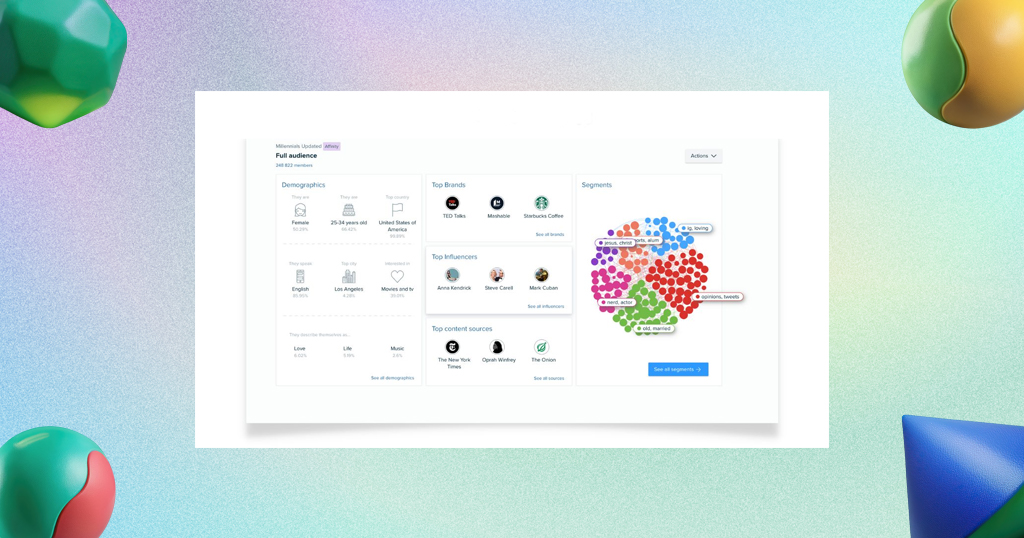
These insights help create personalized advertising campaigns.
For example, a fitness brand may target people interested in health and exercise.
2. Campaign Intelligence
Campaign intelligence measures how advertisements perform.
Businesses monitor important metrics such as:
- Click-Through Rate (CTR)
- Conversion Rate
- Cost Per Click (CPC)
- Cost Per Acquisition (CPA)
- Return on Ad Spend (ROAS)
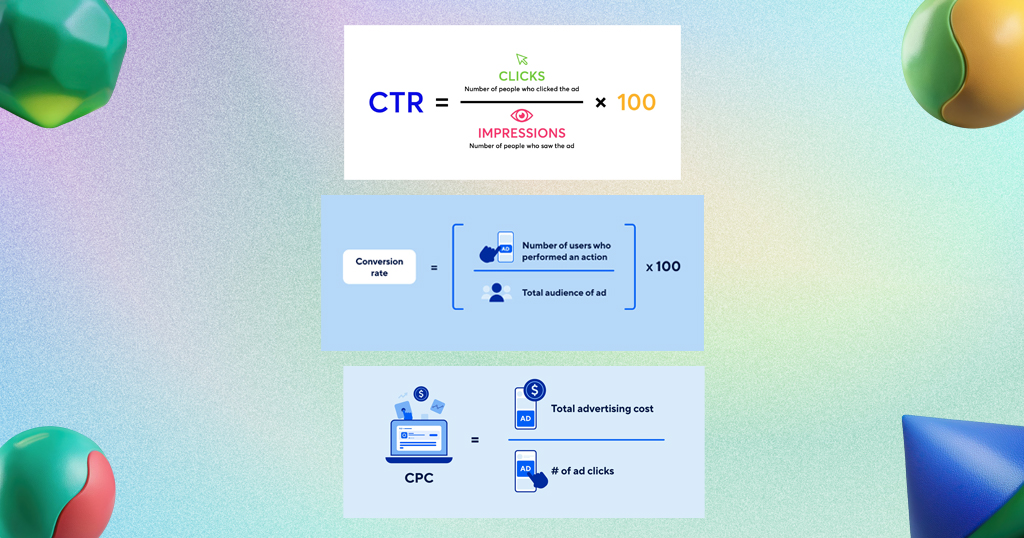
Tracking these metrics helps marketers improve campaign performance.
3. Competitor Intelligence
Competitor intelligence helps businesses study rival companies.
Marketers analyze:
- Advertising channels
- Keywords
- Ad creatives
- Budget trends
- Marketing messages
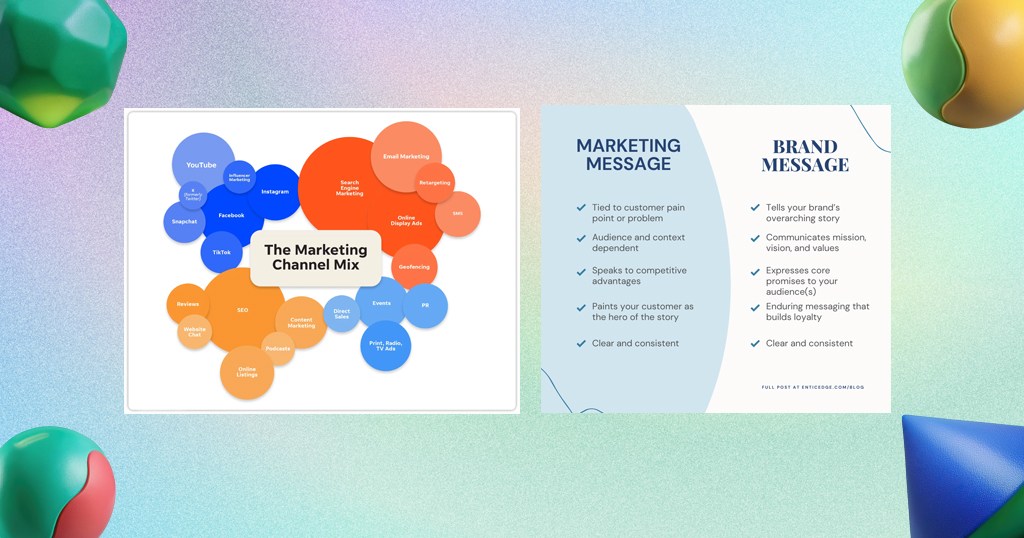
This information helps businesses identify opportunities and stay competitive.
4. Market Intelligence
- Market intelligence tracks industry trends and customer preferences.

As markets change, businesses can adapt quickly and remain competitive.
How Does Artificial Intelligence Improve Advertising?
Artificial intelligence is transforming digital marketing. AI helps businesses save time and improve efficiency.
Predictive Analytics
- AI studies historical data to predict future customer behavior.
For example, an online store may predict which products customers are likely to buy next. This allows businesses to create better campaigns.
Automated Bidding
- AI automatically adjusts advertising bids in real time.
As a result, businesses can maximize their budgets and improve returns.
Personalized Advertising
- Customers expect relevant advertisements. AI helps businesses deliver ads based on customer interests and behavior.
Therefore, personalized ads often generate better engagement.
Fraud Detection
- Not every click comes from a real user. AI can detect suspicious traffic and fake clicks.
This helps businesses protect their advertising budgets and improve campaign accuracy.
What Are the Benefits of Digital Advertising Intelligence?
Businesses that use advertising intelligence enjoy many advantages.
Improved Return on Investment
Companies can spend their advertising budgets more effectively. This reduces waste and improves profitability.
Better Audience Targeting
Businesses can reach the right audience at the right time. As a result, campaigns become more effective.
Real-Time Insights
Marketers can monitor campaign performance instantly. Quick decisions often lead to better outcomes.
Smarter Decision-Making
Data-driven insights help businesses make informed choices instead of relying on assumptions.
Business Growth
Advertising intelligence supports long-term growth and expansion into new markets.

Which Tools Help Businesses Analyze Advertising Data?
Businesses use many tools to collect and analyze advertising data. These tools help marketers track performance and improve campaigns.
Some popular tools include:
- Google Ads
- Google Analytics
- Meta Ads Manager
- Semrush
- HubSpot
- Looker Studio
- LinkedIn Ads
- TikTok Ads

Each tool offers different features. For example, Google Analytics tracks website traffic and user behavior. Semrush helps businesses research keywords and analyze competitors.
By using these tools, marketers can make smarter decisions and improve campaign performance.
What Metrics Should Businesses Track?
Tracking marketing metrics helps businesses understand how well their campaigns perform. These metrics show whether advertising budgets are being used effectively.
By monitoring key performance indicators, marketers can identify strengths and weaknesses. As a result, they can improve campaign performance and increase ROI.
Some important metrics include:
- Click-Through Rate (CTR)
- Conversion Rate
- Cost Per Click (CPC)
- Return on Ad Spend (ROAS)
- Customer Lifetime Value (CLV)
Click-Through Rate (CTR)
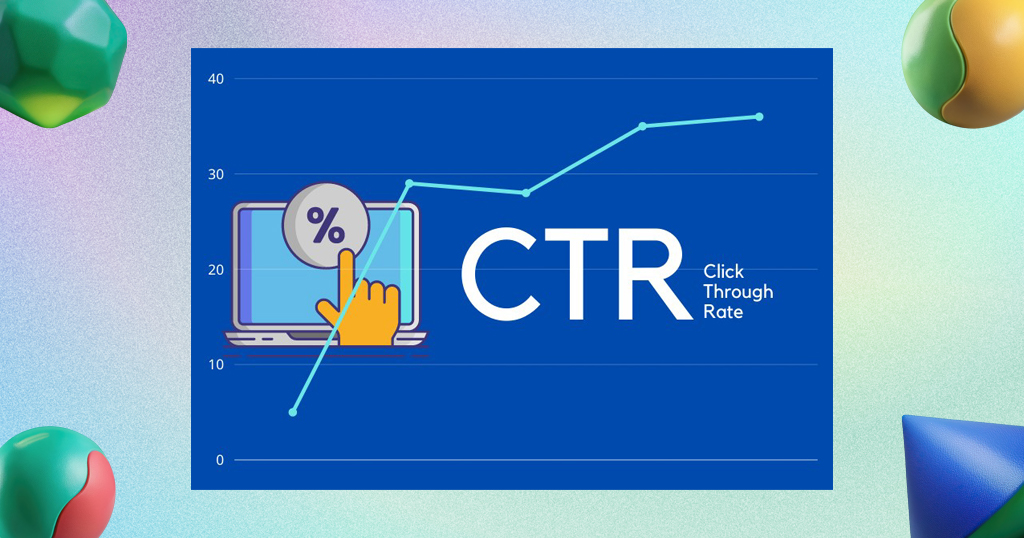
Click-Through Rate shows how many people click on an advertisement after seeing it. A higher CTR often means the ad is relevant and engaging.
For example, if 100 people see an ad and 10 people click on it, the CTR is 10%. Therefore, marketers use this metric to improve advertisements.
Conversion Rate
Conversion rate measures how many users complete a desired action. This action may include making a purchase, filling out a form, or subscribing to a newsletter.
A high conversion rate usually indicates that a campaign is successful. In addition, it helps businesses understand customer behavior.

Cost Per Click (CPC)
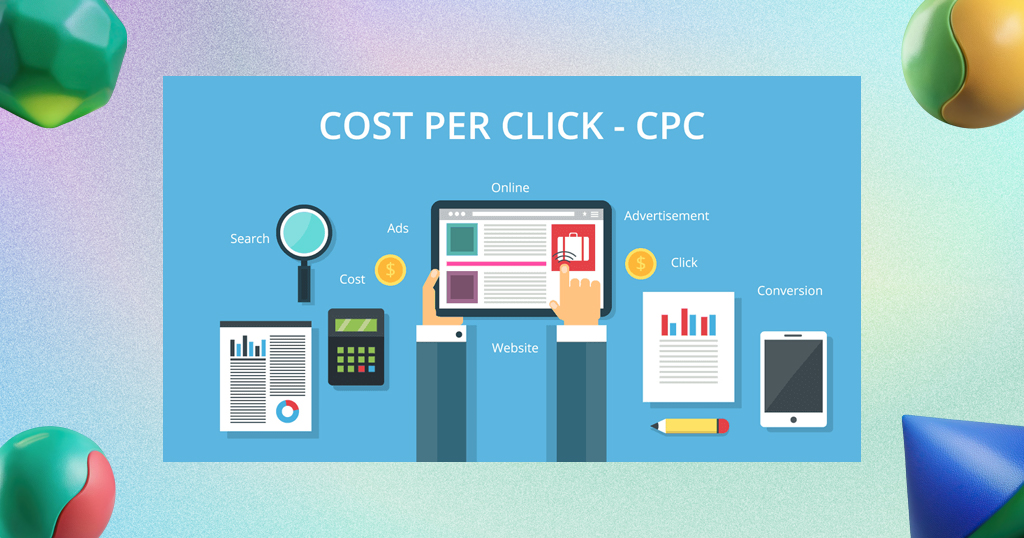
Cost Per Click shows how much advertisers pay for each click. Lower costs can improve profitability.
However, businesses should focus on quality traffic instead of only reducing costs. Cheap clicks do not always lead to conversions.
Return on Ad Spend (ROAS)
ROAS measures the revenue generated from advertising campaigns. Businesses use this metric to determine whether campaigns are profitable.
For example, if a company spends $100 on ads and earns $500 in sales, the ROAS is 5:1.

Customer Lifetime Value (CLV)
Customer Lifetime Value estimates how much revenue a customer may generate over time.
This metric helps businesses focus on long-term growth. Therefore, companies often invest in customer retention strategies.
What Challenges Do Businesses Face in Digital Advertising Intelligence?
Although digital advertising intelligence offers many benefits, businesses may still face challenges.
Understanding these challenges helps marketers prepare better strategies.
Data Privacy Regulations
Privacy laws are changing around the world. Businesses must collect and use customer data responsibly.
Following regulations helps companies build trust and avoid legal issues.
Cross-Platform Integration
Advertising data often comes from multiple platforms. Combining this data can sometimes be difficult.
However, modern analytics tools help businesses unify data from different sources.
Rapid Technology Changes
Digital marketing evolves quickly. New technologies and platforms appear regularly.
Therefore, businesses must stay updated and adapt to industry changes.
Data Quality Issues
Poor-quality data can lead to incorrect decisions.
Businesses should regularly clean and verify their data to improve accuracy.
How Can Businesses Build an Effective Advertising Intelligence Strategy?
A successful strategy starts with clear goals.
Businesses should define what they want to achieve. Goals may include increasing traffic, generating leads, or improving sales.
Follow these steps to build a strong strategy:
- Set clear marketing goals.
- Identify key performance metrics.
- Select the right tools.
- Collect accurate data.
- Analyze campaign performance.
- Optimize campaigns regularly.
Consistent monitoring helps businesses improve results over time.
What Are the Future Trends
Digital advertising continues to evolve. New technologies are changing how businesses connect with customers.
AI-Powered Personalization
Customers expect personalized experiences. AI helps businesses deliver relevant ads to the right audience.
As a result, engagement and conversions often improve.
Cookieless Advertising
Privacy changes are reducing the use of third-party cookies.
Businesses are now focusing more on first-party data collected directly from customers.
Predictive Marketing
AI can predict customer behavior before actions occur.
For example, businesses can recommend products based on previous purchases.
Voice Search Advertising
Voice search is growing rapidly. Many people use voice assistants every day.
Businesses can create voice-friendly campaigns to reach new audiences.
Real-Time Intelligence Platforms
Real-time insights allow marketers to react quickly to market changes.
This helps businesses improve customer experiences and campaign performance
Conclusion
Digital Advertising Intelligence is transforming modern marketing. Businesses use data and AI to understand customers, improve campaigns, and increase profits.
As technology continues to evolve, advertising intelligence will become even more important. Companies that adopt data-driven strategies can stay ahead of competitors and build stronger customer relationships.
The future of digital marketing belongs to businesses that turn data into action. By using Digital Advertising Intelligence effectively, companies can create better customer experiences and achieve long-term success.
Frequently Asked Questions (FAQs)
1. What is Digital Advertising Intelligence?
Digital Advertising Intelligence uses data and AI to improve advertising campaigns and marketing performance.
2. Why is Digital Advertising Intelligence important?
It helps businesses improve targeting, reduce costs, increase ROI, and make smarter decisions.
3. How does AI improve digital advertising?
AI automates tasks, predicts customer behavior, personalizes ads, and detects fraud.
4. Which tools are used for advertising intelligence?
Popular tools include Google Analytics, Google Ads, Semrush, HubSpot, and Looker Studio.
5. What are the benefits of Digital Advertising Intelligence?
Benefits include better targeting, improved customer insights, higher ROI, and real-time optimization.




Leave A Comment