
Local SEO for Multi-Location Businesses: 2026 Playbook
Learn the 2026 local SEO playbook for multi-location businesses to improve Google rankings, boost local visibility, and attract more customers.
Kasthuri| 31 Aug 2026
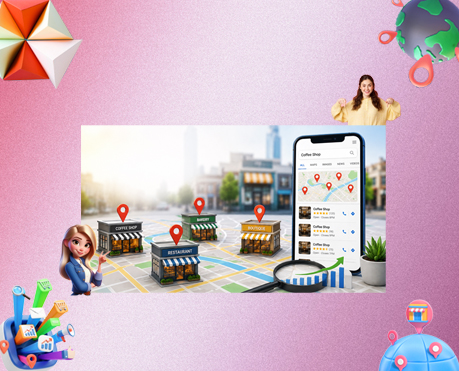
Growing from one location to five, ten, or fifty should be a win. For a lot of brands, it isn’t — because the SEO playbook that worked for a single storefront actively breaks once you’re managing multiple markets at once. Rankings that once felt solid start slipping, new locations stay invisible for months, and no one on the team can say why.
The core issue is usually the same: single-location thinking applied to a multi-location reality. Each city, each branch, each franchise location needs to earn its own visibility — its own Google Business Profile, its own content, its own reviews — while still rolling up into one consistent, trustworthy brand (SEO Ninja, 2026). With 46% of all Google searches carrying local intent, and a large share of local searchers visiting a business within 24 hours of finding it, getting this wrong has a direct, measurable cost (SEO Ninja, 2026).
This guide breaks down what actually needs to happen at each location, and how to keep it all manageable without rebuilding your entire process from scratch every time you open a new branch.
Why Multi-Location SEO Isn’t Just “SEO x Many”
A single-location business only has to optimize one page, one profile, and one set of citations. Multiply that by ten, fifty, or two hundred locations, and the entire shape of the work changes — the hard part stops being “do SEO” and becomes “do SEO at scale without every location looking like a copy-paste of the last one” (Unframed Digital, 2026).
Franchises and growing businesses tend to struggle here specifically because they expand physically faster than their digital presence can keep up — new locations open, but the website, profiles, and content don’t get the same structured rollout (Friday Marketing Agency, 2026). If every location looks identical, feels inactive, or has inconsistent information, search engines have little reason to trust or rank any of them.
The fix is a system: one that standardizes the parts that should stay consistent (branding, governance, reporting) while genuinely localizing the parts that need to differ (content, reviews, community relevance).
Step 1: One Google Business Profile Per Location — No Exceptions
Every physical storefront, office, or service address needs its own fully optimized Google Business Profile — never consolidated into a single listing, and never left half-finished (W3era, 2026).
A profile that ranks well isn’t just complete — it feels active. That means:
- Regularly updated photos specific to that location, not stock or shared brand imagery
- Accurate, current business hours (including holiday hours)
- Timely responses to reviews at that specific location
- Correct primary and secondary categories for what that location actually offers
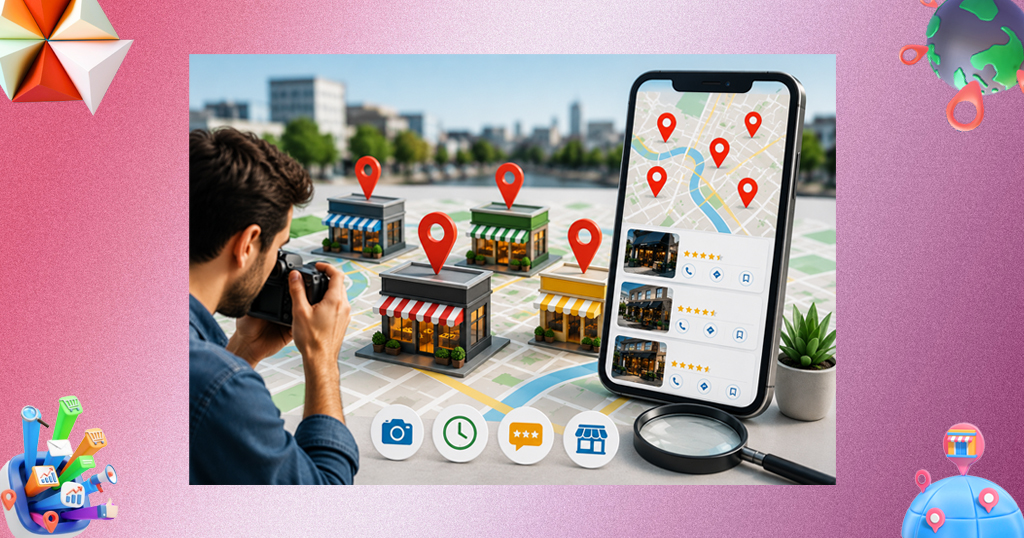
Each profile should read as genuinely real and locally present, not like a template that’s been stamped out across every city (Friday Marketing Agency, 2026).
Step 2: Build Location Pages That Actually Earn Their Rank
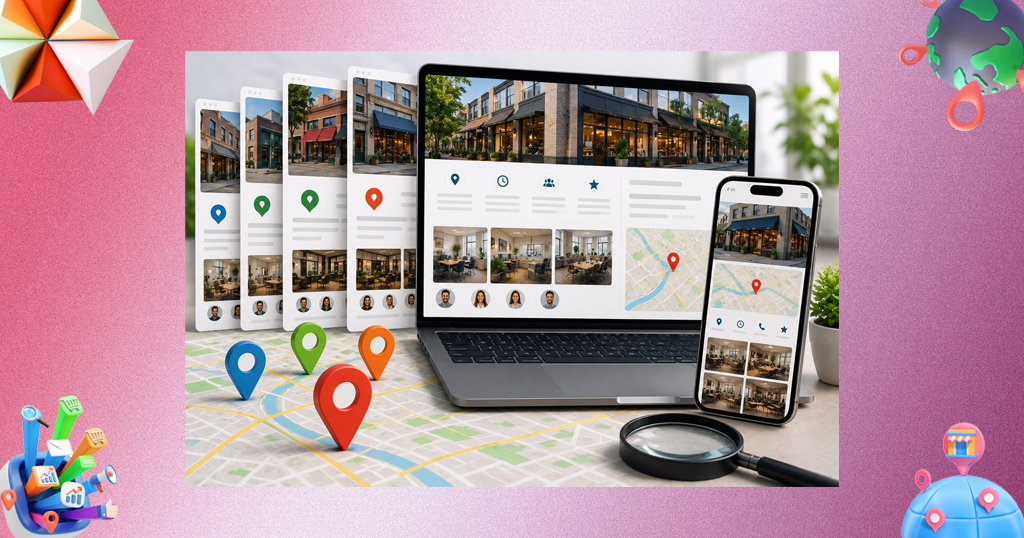
Generic city-name pages — the kind that just swap “Chicago” for “Denver” in an otherwise identical template — don’t rank in 2026. Location pages need unique local content, genuine staff or team details, and embedded local business schema to earn visibility (W3era, 2026).
Every location page should be its own single most important on-site asset for that market — not a duplicate with the city name changed, but a page built around what’s genuinely relevant to customers in that specific area (SEO Ninja, 2026).
Practical ways to make a location page feel real instead of templated:
- Write about local events, community involvement, or seasonal trends specific to that city
- Include customer stories or testimonials from that exact location
- Name real staff members where appropriate, rather than generic “our team” language
- Avoid identical body copy across locations — even strong templates need locally distinct sections
Step 3: Fix Your Keyword Strategy Before You Scale
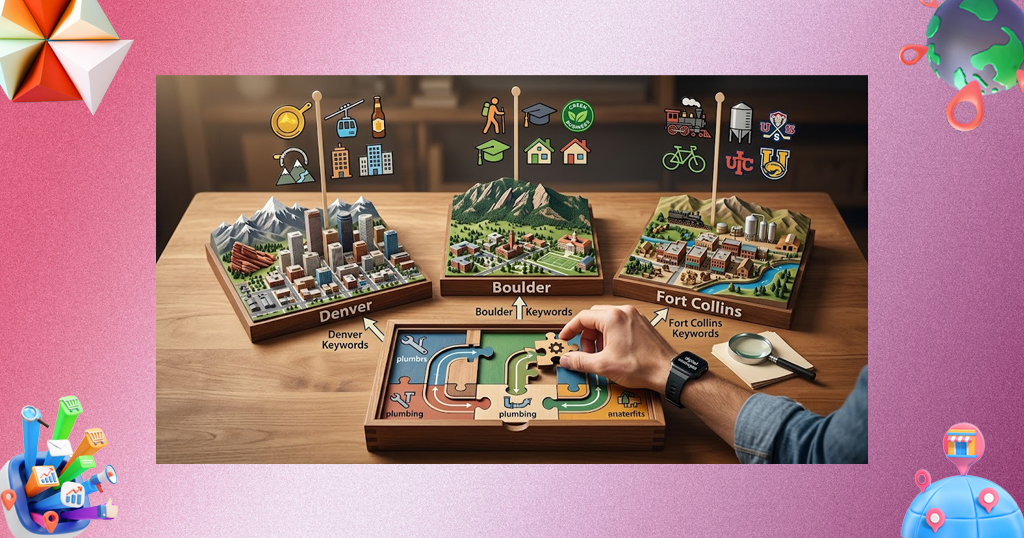
Keyword cannibalization is one of the fastest ways multi-location campaigns quietly fail. Each location page needs to target a distinct, non-overlapping set of keywords, so your Denver page and your Boulder page aren’t competing against each other for the same search terms (W3era, 2026).
Google reads relevance to the searcher’s location — a plumbing company serving Denver, Boulder, and Fort Collins genuinely needs three distinct local footprints, one built and optimized for each city individually, not one page trying to rank for all three at once (Unframed Digital, 2026).
Step 4: Get NAP Consistency Right Across Every Citation
NAP — Name, Address, Phone number — consistency is non-negotiable. A single mismatch across your citations, directories, or Google Business Profile can actively suppress your local pack rankings (W3era, 2026).
At scale, this becomes a governance problem more than a one-time fix:
- Audit existing citations for inconsistencies and duplicate listings
- Correct mismatches across every directory a location appears in
- Keep GBP data and on-site contact information aligned at all times
- Set up alerts for each location’s business name and address, since unauthorized or third-party edits to a GBP listing are a common, easy-to-miss source of ranking damage (SearchX Pro, 2026)

Step 5: Treat Reviews as a Per-Location Ranking Signal
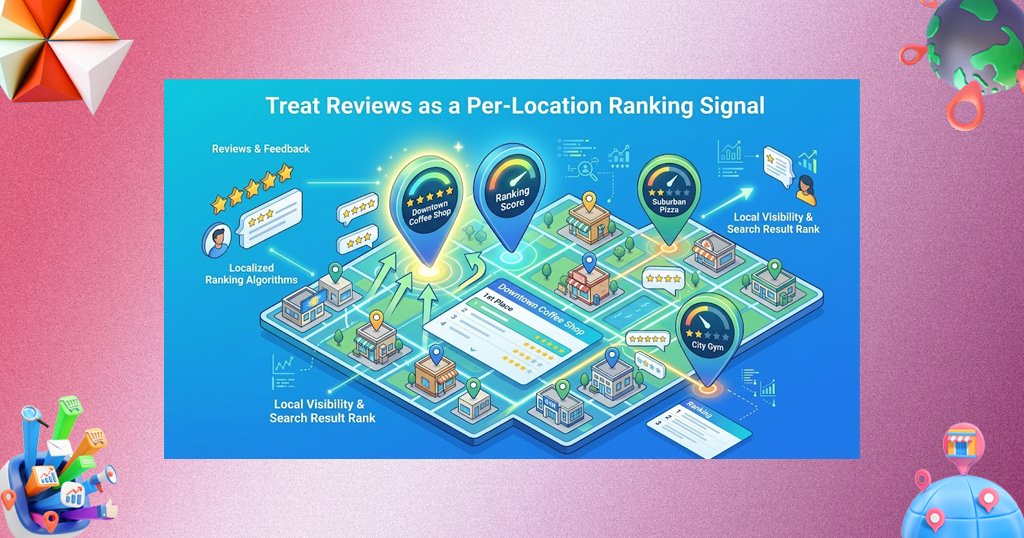
Reviews aren’t just a trust signal for customers anymore — they’re a visibility signal for both traditional search and AI-powered search layers. As AI tools increasingly act as a search interface in their own right, they form an impression of a business based on perceived online sentiment, not just the underlying facts about that business (V9 Digital, 2026).
Watch specifically for “review silos” — situations where one underperforming or poorly-managed location quietly drags down the perceived authority of the entire brand, not just that single branch (KD Interactive, 2026). Consistent review growth and active, timely response management at every location signals credibility to search engines and to customers alike (V9 Digital, 2026).
This is also where centralized review monitoring earns its keep — real-time visibility into new reviews across every location lets you respond fast and catch a reputation problem at one branch before it becomes a brand-wide one (Storefries: Social Media Monitoring Guide).
Step 6: Build Internal Links That Support Every Market
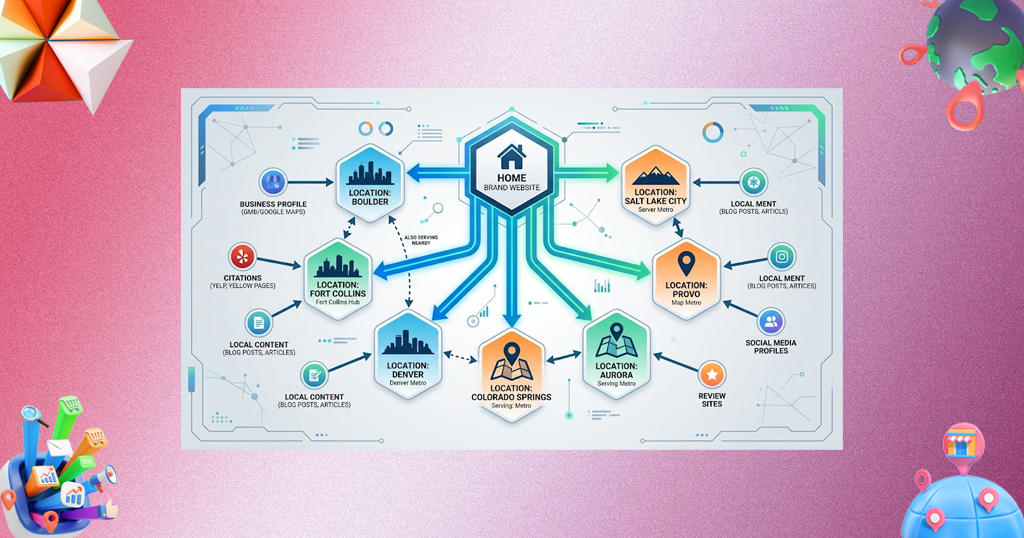
Internal linking architecture matters more than most multi-location teams realize. Location pages should link to each other where relevant (e.g., “also serving nearby Boulder and Fort Collins”), and every profile, citation, and piece of local content should link back to its corresponding location page, reinforcing which page owns which market in the eyes of both users and search engines (W3era, 2026).
This is the same principle behind good content strategy generally — track what’s working, refine your approach, and make sure every piece of content has a clear job to do rather than existing in isolation (Storefries: Content Marketing for Small Business).
The New Sixth Pillar: Showing Up in AI Overviews
For years, the multi-location SEO conversation revolved around five pillars: profiles, pages, keywords, citations, and reviews. In 2026, a sixth has emerged — AI Overview capture. Google’s AI Overviews now appear prominently for local queries, and the brands showing up in those AI-generated summaries aren’t always the same ones ranking first in traditional blue-link results (SearchX Pro, 2026).
Most multi-location businesses are still treating this as a secondary concern — which is exactly why it’s an opportunity for brands willing to prioritize it now, while it’s still relatively under-optimized for.
A Simple Governance Model for Growing Location Counts
The businesses that scale well share one thing in common: brand-level governance paired with location-level customization (V9 Digital, 2026). In practice, that looks like:
- Standardized templates for location pages, with clear rules for what must be locally unique (content, testimonials, staff) versus what stays consistent (brand voice, core structure, schema)
- Centralized citation management — one team or system owns directory accuracy across every location, rather than leaving it to individual branch managers
- A repeatable new-location checklist — GBP setup, location page build, citation submission, and initial review outreach, so a new opening doesn’t start from zero every time
Common Mistakes That Sink Multi-Location Rankings
- Consolidating listings instead of giving every location its own Google Business Profile
- Duplicate or near-duplicate location pages that just swap the city name
- Keyword cannibalization between nearby location pages competing for the same terms
- Inconsistent NAP data across citations, directories, and the website itself
- Letting one location’s reviews go unmanaged, dragging down brand-wide trust
- Ignoring AI Overview visibility as a secondary concern rather than an active pillar of the strategy
Make This Sustainable as You Keep Growing
None of this is sustainable as a manual, per-location checklist once you’re past a handful of branches. The businesses that keep pace as they scale are the ones running listings, reviews, and local content from one connected system instead of juggling logins across a dozen separate dashboards.
Storefries’ Local SEO and Listing Management tools are built for exactly this — manage listings, monitor and respond to reviews, and keep every location’s profile accurate and active from a single dashboard, instead of managing each branch by hand.
Start your free 14-day trial today and bring every location’s local SEO under one roof.
FAQ
1. Should each location have its own website page, or is a Google Business Profile enough?
Both are needed. The GBP drives visibility in Maps and the local pack, but a dedicated, genuinely unique location page on your website is what earns organic rankings and gives search engines (and AI Overviews) real content to draw from.
2. How do I stop location pages from competing with each other in search?
Assign each location page a distinct, non-overlapping keyword focus tied to its specific city or service area, rather than letting every page target the same broad terms.
3. Does a single bad-review location really affect the whole brand?
It can. Poorly managed reviews at one location can create a “review silo” that drags down perceived brand-wide trust, which is why centralized, active review monitoring across every location matters.
4. What’s the biggest local SEO shift for multi-location businesses in 2026?
The emergence of AI Overviews as a distinct visibility layer — brands appearing in AI-generated local answers aren’t always the same ones ranking first in traditional search results, so it needs deliberate attention rather than being treated as automatic.
Internal linking suggestions already embedded above (verify each URL is still live before publishing):



Leave A Comment