
Online Reputation Management for Small Business Guide 2026
Learn how to manage your small business online reputation in 2026 — monitor reviews, fix negative results, and build trust with customers.
Kasthuri| 03 Aug 2026

Every time a potential customer searches your business name on Google, they see something. It might be your Google Business Profile with 4.8 stars and recent glowing reviews. It might be an old complaint that never got a response. It might be a competitor’s listing that shows up ahead of yours. What they see in those first few seconds determines whether they visit you, call you, or keep scrolling.
That’s what online reputation management is: the practice of actively shaping what customers find when they search for your business. For small businesses, restaurants, retail stores, salons, clinics, and every other local service, it’s not optional in 2026. It’s the difference between a full calendar and an empty one.
This guide covers everything a small business owner needs to build and protect their online reputation, without an agency budget or a full-time marketing team.
What Is Online Reputation Management for Small Business?
Online reputation management (ORM) is the ongoing process of monitoring, influencing, and improving how your business appears across the internet, primarily on Google, review platforms, social media, and local directories.
For a small business, this typically means:
- Monitoring what customers say about you on Google, Justdial, Facebook, Zomato, and other platforms
- Responding to reviews — both positive and negative — quickly and professionally
- Generating a steady stream of genuine new reviews from happy customers
- Correcting inaccurate information across business listings and directories
- Creating positive content (social posts, blog updates, Google posts) that strengthens your online presence
Large enterprise brands use dedicated teams and expensive software to manage reputation across thousands of locations. Small businesses can achieve most of the same outcomes with a disciplined routine and the right tools, many of which are free or low-cost.
Why Online Reputation Matters More Than Ever in 2026
Search behaviour has fundamentally shifted. In 2026, online reputation management is no longer a marketing “add-on”; it’s a core business driver. As digital discovery shifts toward AI-generated answers and trust-first experiences, reputation directly determines whether customers choose your brand or a competitor.
For Indian small businesses specifically, the shift is accelerating. More customers now check Google reviews before making a purchase decision than ever before, including for everyday decisions like where to eat lunch or which pharmacy to visit. A business with 50 recent, well-managed reviews and a 4.7-star rating simply wins that decision automatically, regardless of what the competitor’s physical presence looks like.
According to the Birdeye State of Google Business Profiles 2026, even a single additional review can generate 80 website visits, 63 direction requests, and 16 phone calls, underlining how profoundly reputation influences tangible business outcomes.
That’s the opportunity for small businesses: reputation management doesn’t require scale. It requires consistency.
Step 1: Audit Your Current Online Reputation
Before you can improve your reputation, you need to know what it looks like right now from a customer’s perspective. Do this audit once a quarter:
Google search your business name; look at the first page of results. What appears? Your Google Business Profile, reviews, social profiles, news mentions, directory listings, and any complaints or negative content.
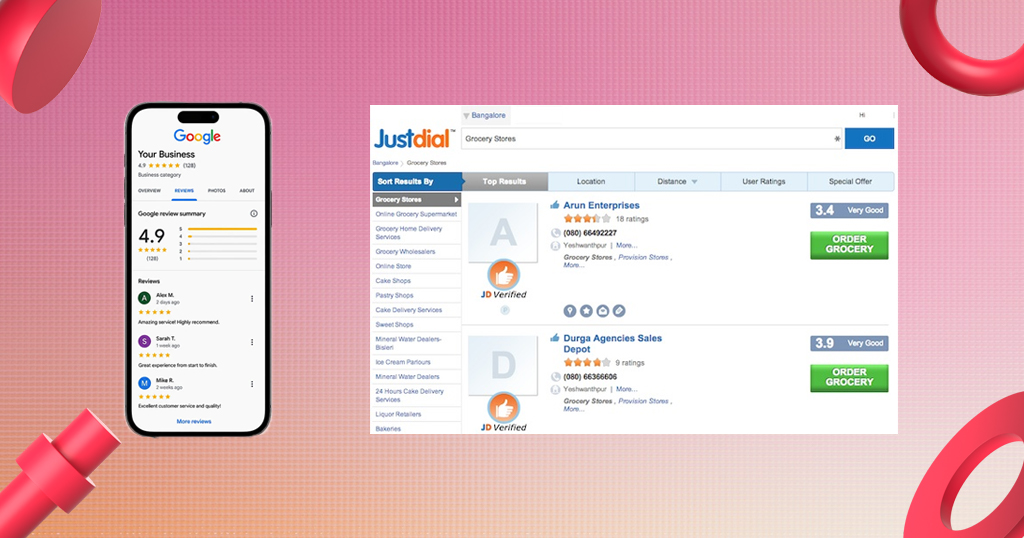
Check your star rating and review count on:
- Google Business Profile — your most important review platform
- Justdial — critical for Indian SMB visibility — critical for Indian SMB visibility
- Sulekha — especially for service businesses
- Zomato and Swiggy — essential for restaurants
- Facebook — reviews and recommendations section
- IndiaMart — for product-based businesses
Look for:
- Unanswered reviews, especially negative ones sitting without a response
- Outdated or incorrect information (wrong hours, old phone number, changed address)
- Duplicate business listings that split your reviews across multiple pages
- Any news, forum posts, or social media content that shows up prominently when your name is searched
Document what you find. This becomes your reputation baseline the starting point you’ll measure improvement against.
Step 2: Claim and Complete Every Listing
You can’t manage what you don’t own. The first protective step in reputation management is claiming your business on every platform where customers might look for you, so you control the information they see.
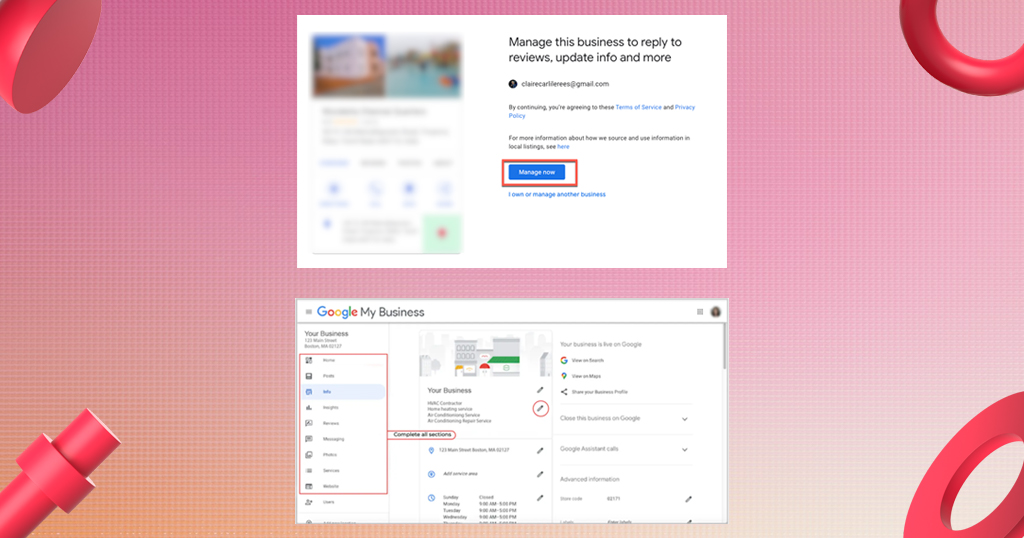
Start with your Google Business Profile — the most important single listing for any local business. If you haven’t set it up yet, our guide on how to add your business to Google walks through the full process.
Then claim your listings on Justdial, Sulekha, Facebook, Zomato (if you’re a restaurant), and any industry-specific directories relevant to your category. Every listing should have:
- Exact business name (consistent across all platforms)
- Full address (matching your Google profile exactly)
- Correct phone number
- Accurate business hours including public holidays
- A clear, keyword-relevant description
- Recent photos
Inconsistent NAP (Name, Address, Phone) across platforms is one of the most common small business reputation mistakes and one of the easiest to fix. Our full local SEO guide for small business covers the NAP audit process in detail.
Step 3: Build a Consistent Review Generation System
Your star rating is the first thing most customers see. A 3.8-star rating with 12 reviews loses to a competitor with a 4.6 and 80 reviews every time, regardless of which business is actually better.
The businesses with the strongest review profiles didn’t get there by accident. They built a system for asking every customer, every time, through the right channels at the right moment.
The most effective review request channels for Indian small businesses:
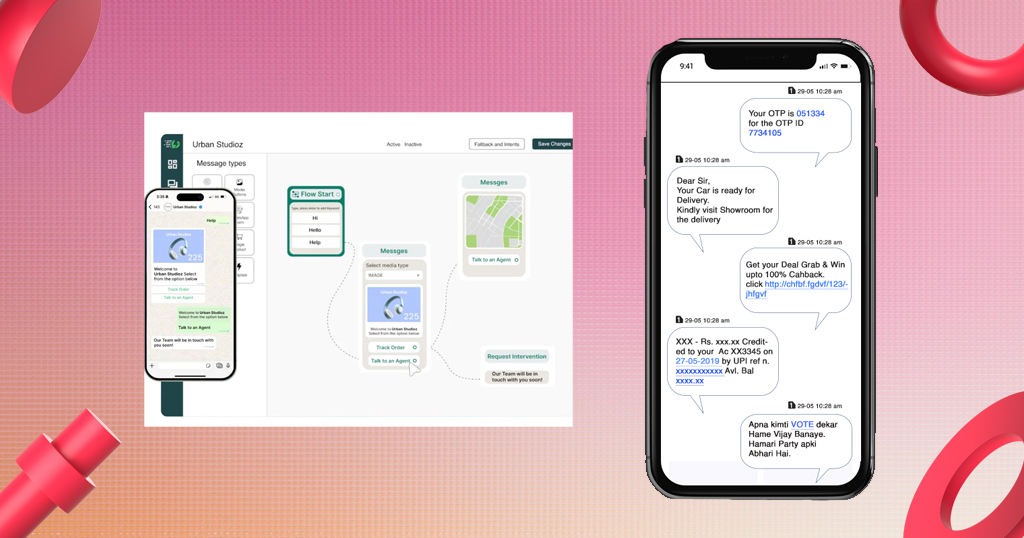
- WhatsApp follow-up — highest open rate of any channel in India; a personal message within 24 hours of a visit converts exceptionally well. See our WhatsApp marketing guide for templates and timing.
- QR code at checkout — printed on receipts, table cards, or near your register; one scan takes the customer directly to your Google review page
- SMS follow-up — effective for businesses that collect mobile numbers at booking or delivery
- In-person ask — trained staff asking at the right moment (“If you enjoyed your experience, a quick Google review means a lot to us”) consistently outperforms automated messages for conversion
For 25 ready-to-use review request scripts across all these channels, see our guide on how to ask customers for reviews.
Review generation rules to follow:
- Never ask specifically for a positive review — ask for an honest one
- Never offer incentives in exchange for reviews — this violates Google’s review policies
- Never filter customers (“only ask if you’re happy”) — this is review gating and violates platform terms
- Do ask every customer, consistently, as part of your standard post-visit routine
Step 4: Respond to Every Review — Positive and Negative
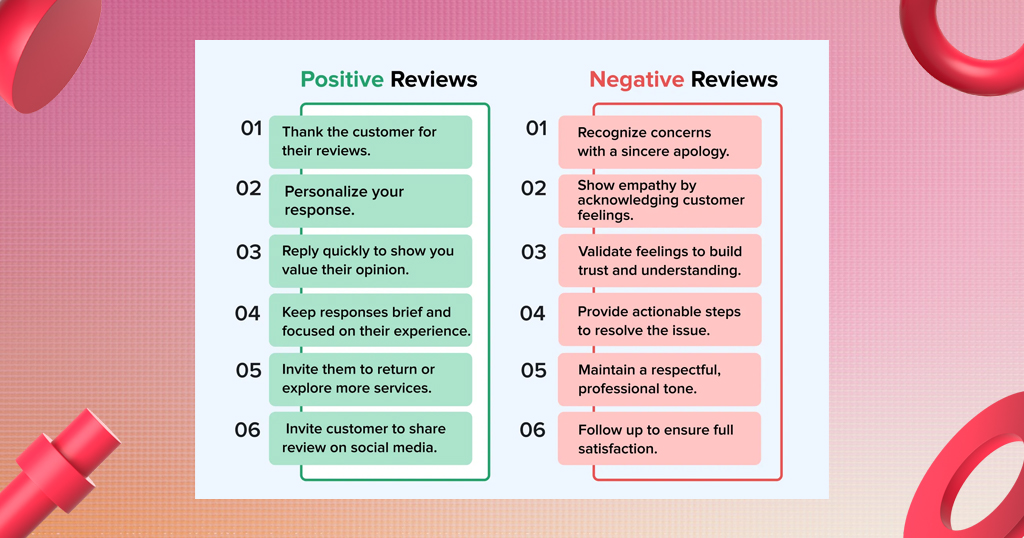
Your response to reviews is as visible as the reviews themselves and often more revealing of your business character. A well-crafted response to a negative review can actually increase conversion from potential customers reading your profile, because it shows how you handle problems.
For positive reviews: Acknowledge specifically what the customer mentioned, thank them genuinely, and invite them back. A response like “Thank you, [Name]! We’re so glad the lamb biryani hit the spot; it’s one of our chef’s favourites too. See you again soon!” is far more effective than a generic “Thanks for the great review!”
For negative reviews: Stay calm, stay specific, take responsibility where warranted, and move the conversation offline. Never argue in public, never blame the customer, and never copy-paste the same response across multiple complaints. The goal isn’t to win the argument; it’s to show every future customer reading your profile that you handle problems like professionals.
For reviews with no text (just a star rating): Still respond. A brief “Thank you for the rating! We’d love to hear more about your visit anytime.” takes 10 seconds and shows your profile is actively managed.
For copy-paste response templates across every situation, see our Google review response examples guide.
Step 5: Monitor Your Reputation Regularly
The biggest reputation management mistakes happen when businesses are caught off guard: a flurry of negative reviews during a busy period, a piece of misinformation spreading unchecked, an outdated listing sending customers to the wrong address.
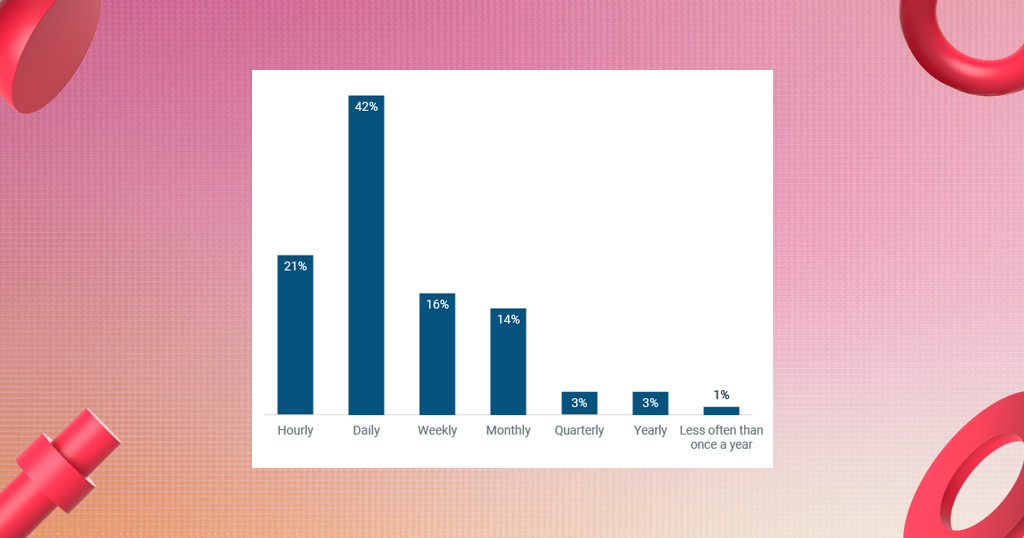
Set up a regular monitoring routine:
Daily (takes 5 minutes):
- Check for new reviews on Google and respond to any that came in overnight
- Check DMs and messages on Instagram, Facebook, and WhatsApp Business for customer feedback
Weekly (takes 15 minutes):
- Scan reviews on Zomato, Justdial, and Facebook
- Check your Google Business Profile for any unauthorised edits (competitors or Google’s algorithm sometimes suggest changes to your profile)
- Review mentions of your business name on social media
Monthly (takes 30 minutes):
- Google your business name and scan the first page for anything new or concerning
- Review your GBP Insights to track direction requests, calls, and profile views
- Check your average star rating trend: is it improving, stable, or declining?
If you manage multiple locations, doing this manually for each one becomes a significant time drain. A centralised reputation management dashboard pulls all your reviews, mentions, and listing data into one place so monitoring takes minutes instead of hours.
Step 6: Handle Negative Reviews and Reputation Crises
Negative reviews are inevitable; every business gets them eventually. What separates businesses with strong reputations from those without isn’t the absence of bad reviews; it’s how they handle them.
For a legitimate complaint: Acknowledge it quickly, apologise where appropriate, and offer to make it right. “We’re sorry your experience didn’t meet our standards, [Name]. Please reach out to us at [contact] so we can make this right.” is more effective than any defensive explanation.
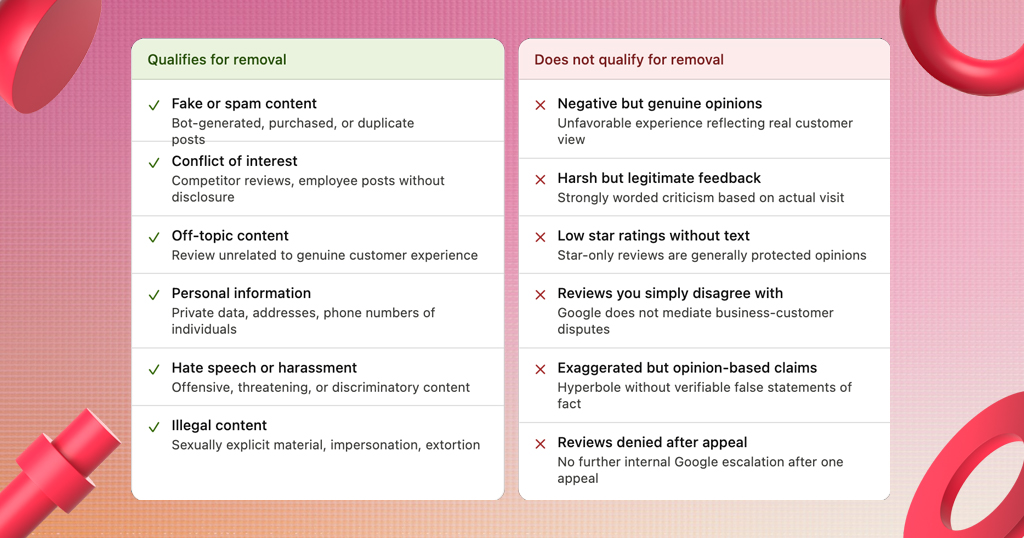
For a fake or malicious review: Respond calmly and factually (“We have no record of this visit; we’d welcome the chance to understand more if you’d like to contact us at [email]”), then report it to Google through Google’s review removal process if it violates their policies. Don’t engage emotionally or publicly dispute the customer.
For a sudden influx of negative reviews: This sometimes happens during competitor sabotage campaigns or after a specific incident. Document everything, report each review that violates policies, respond professionally to each one, and simultaneously accelerate your review request process with genuine customers to dilute the impact with legitimate positive reviews.
What not to do:
- Don’t delete or ignore reviews hoping they’ll disappear
- Don’t threaten legal action publicly
- Don’t post fake positive reviews to counter negative ones; this creates far bigger problems than the original complaint
Step 7: Build Positive Content That Strengthens Your Reputation
Reputation management isn’t just defensive; it’s proactive. Creating regular, positive content about your business gives search engines and customers more to find when they look for you, pushing any negative results further down the page.
High-impact reputation-building content:
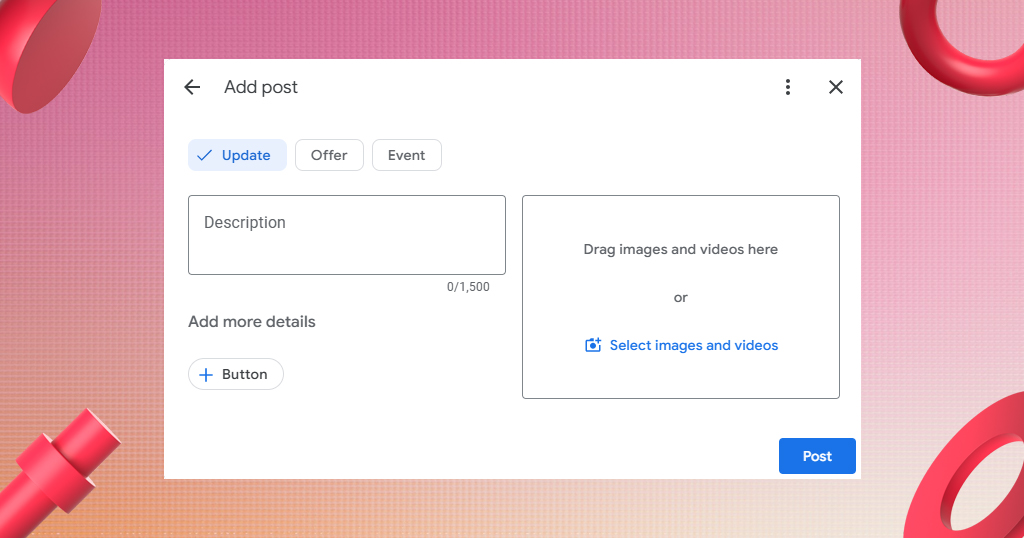
- Google Posts — weekly updates on your GBP that appear directly in search results. Events, offers, new products, behind-the-scenes moments.
- Social media content — consistent posting on Instagram, Facebook, and WhatsApp builds brand familiarity and gives customers a reason to engage with your business beyond a single visit. See our social media marketing guide for a practical content framework.
- Customer stories and testimonials — sharing customer reviews and user-generated content on social platforms amplifies genuine positive sentiment.
- Local press and community involvement — sponsoring a local event, participating in a neighbourhood initiative, or being featured in a local publication all create positive search results that reinforce your reputation at a city level.
The Bottom Line
Online reputation management for small businesses doesn’t require an agency or a large budget. It requires a consistent system: audit your current presence, claim and complete your listings, ask every customer for a review, respond to every piece of feedback, monitor regularly, and create positive content that tells your story.
The businesses winning the most customers in every local market in 2026 are the ones doing these basics better than their competitors, not the ones with the biggest ad spend.
Storefries is built to make this manageable for small businesses at every stage — from review monitoring and response and Google Business Profile management to social media scheduling and local SEO tracking, all from one dashboard. Explore our pricing plans or read more small business marketing guides on the Storefries blog.
Quick FAQ: Online Reputation Management for Small Business
1. How much does online reputation management cost for a small business?
The core tactics claiming listings, responding to reviews, posting social content, and monitoring mentions are free. Paid tools that automate monitoring across multiple platforms typically range from ₹2,000–₹15,000 per month depending on the number of locations and features required.
2. How long does it take to improve a small business’s online reputation?
A systematic review generation effort combined with consistent responses typically produces measurable rating improvement within 2–3 months. Suppressing a specific negative result in search can take 6–12 months of consistent positive content creation.
3. Can I remove a negative Google review?
You can’t delete someone else’s review yourself. You can respond to it publicly, and if it violates Google’s policies (spam, hate speech, fake content, conflict of interest), you can report it for removal through Google’s official process. Legitimate reviews, even harsh ones, stay.
4. What’s the fastest way to improve my star rating?
Accelerate genuine review collection through WhatsApp follow-ups, QR codes at checkout, and in-person asks. Even 10–15 new authentic 5-star reviews can meaningfully move a 3.8 rating toward 4.2–4.5 within a month.
5. How do I know if my reputation management is working?
Track your average star rating month over month, your total review count, your GBP direction requests and calls, and your Google Business Profile view count. All four should trend upward with consistent effort over 3–6 months.



Leave A Comment