
20+ Restaurant Marketing Ideas That Work in India (2026)
Explore 20+ restaurant marketing ideas for 2026, from Google reviews and Instagram Reels to WhatsApp, Zomato, and micro-influencers.
Kasthuri| 10 Aug 2026
Running a great restaurant is hard enough. Marketing it — consistently, across the right platforms, without spending a fortune — is what separates the restaurants with a 45-minute wait from the ones with empty tables on a Friday night.
The good news: restaurant marketing in India in 2026 does not require a large budget. It requires consistency on the right channels. Google Business Profile and Instagram are free. Zomato and Swiggy are where 6.6 crore Indians are already ordering food. WhatsApp is where your loyal customers are most reachable. Getting these right costs almost nothing and drives more footfall than most paid advertising campaigns.
This guide covers 20+ proven restaurant marketing ideas — from zero-cost digital tactics to low-budget promotions — specifically for Indian restaurants, whether you’re in a metro or a Tier 2 city.
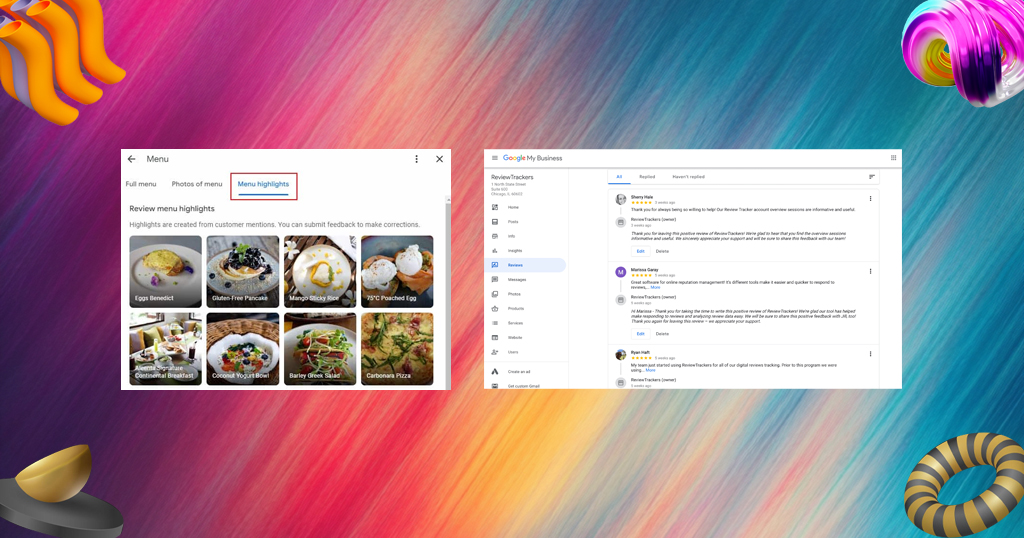
1. Optimise Your Google Business Profile First
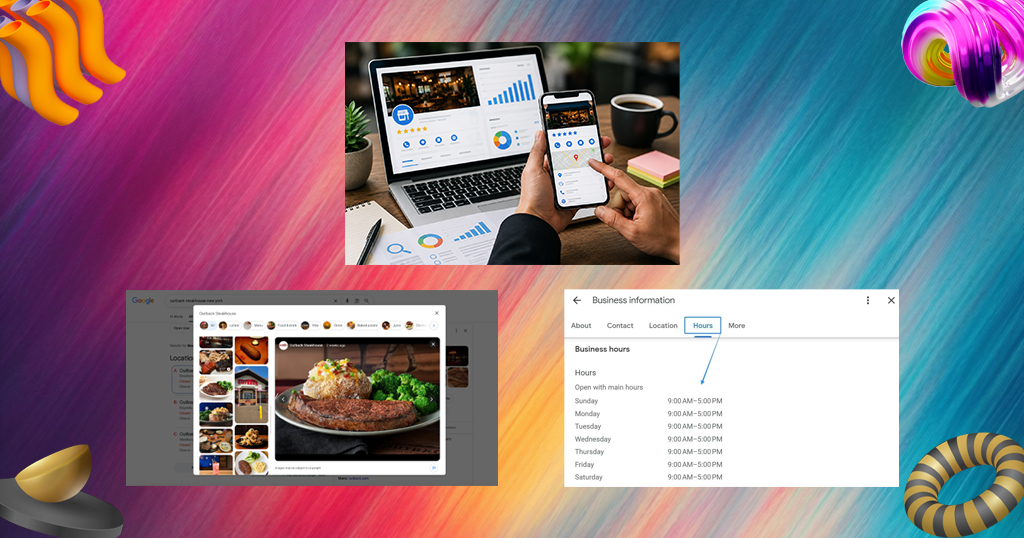
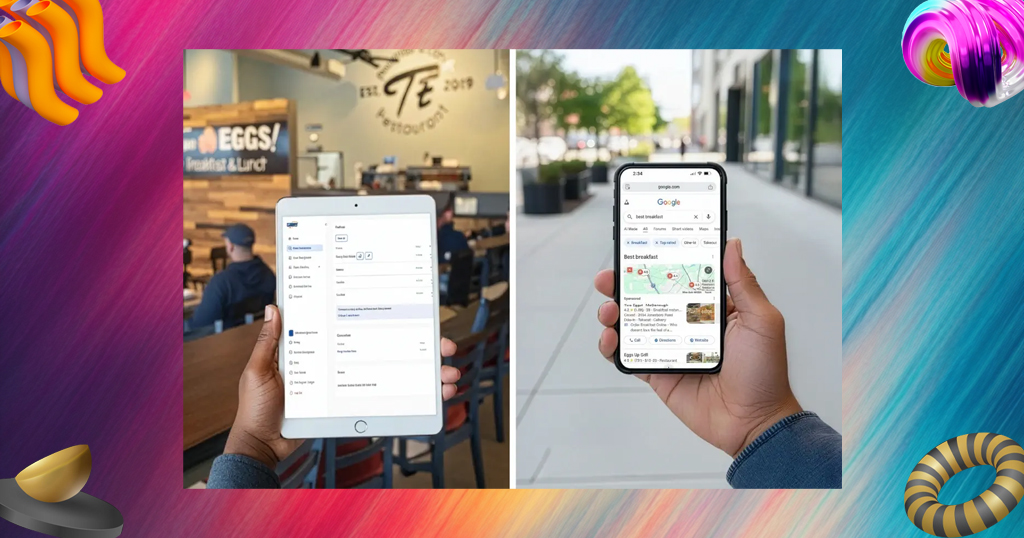
Before anything else, your Google Business Profile (GBP) is the single highest-return marketing action available to any restaurant. When someone searches “restaurants near me” or “[cuisine] restaurant in [your city],” your GBP listing is what they see first — with your star rating, photos, hours, and reviews — before they ever visit your website.
A fully optimised GBP consistently outranks paid ads for local searches. Key actions:
- Set the most specific category available (e.g., “Biryani Restaurant” not just “Restaurant”)
- Upload 15–20 high-quality food and interior photos
- Keep hours updated, including every public holiday
- Post a Google update at least once a week
- Respond to every review within 24–48 hours
Our complete guide on how to add your business to Google covers the full setup. For optimisation beyond setup, see our local SEO guide for small businesses.
2. Build a Google Review Strategy That Runs Every Day
More than 80% of diners check Google reviews before choosing a restaurant — and the restaurant with more recent, well-managed reviews wins that decision automatically. Review volume and recency both feed directly into your local search ranking.
The most effective system for Indian restaurants:
- QR code on every bill linking directly to your Google review page
- WhatsApp follow-up sent within 24 hours of a visit or delivery order
- In-person ask by trained staff at the right moment — “If you enjoyed your meal, a quick Google review means a lot to us”
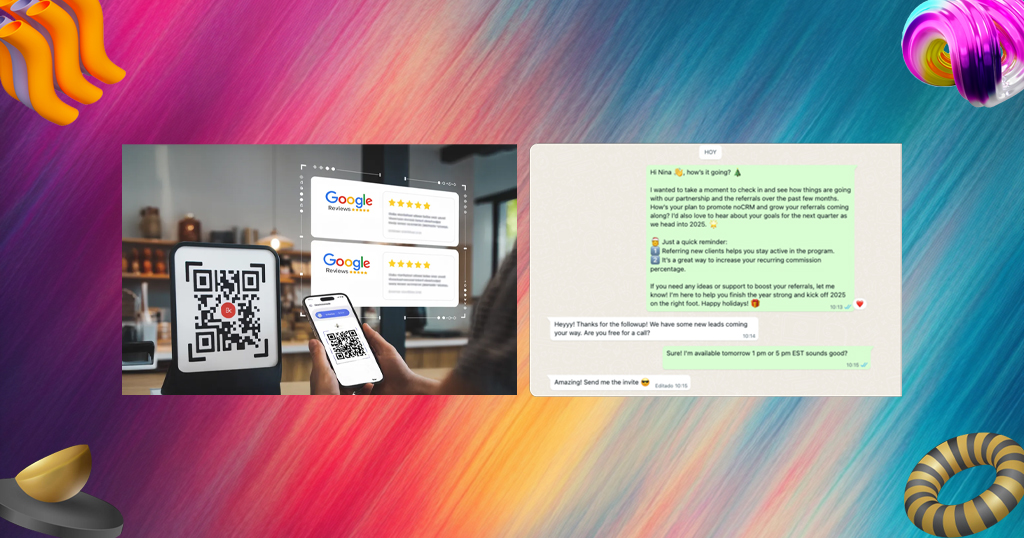
For 25 copy-paste review request scripts across every channel, see our guide on how to ask customers for reviews. Once reviews come in, respond to every single one — positive and negative. Our Google review response templates give you ready-to-use replies for every situation.
3. Optimise Your Zomato and Swiggy Listings
For Indian restaurants, Zomato and Swiggy listings are as important as Google — often more so for delivery-first customers. Treat them like a second Google Business Profile:
- Upload professional food photos for every menu section — listings with photos get significantly more clicks
- Keep your menu updated with current prices and available items
- Enable the “Pure Veg” or relevant dietary filters accurately so you appear in filtered searches
- Respond to reviews on both platforms — they’re visible to thousands of potential customers
- Monitor your rating actively and address complaints quickly before they drag your score down
4. Use Instagram Reels to Reach New Customers for Free
Instagram Reels are currently the highest-reach free content format available to restaurants in India. A well-shot 30-second Reel of your chef plating a dish, a biryani being unveiled, or a dessert being assembled can reach thousands of non-followers in your city — completely organically — if it gets early engagement.
What consistently works for Indian restaurant Reels:
- Food reveal videos — the lid coming off a dum biryani, a dosa being poured, a dessert being plated
- Behind-the-scenes kitchen prep — authenticity builds trust far more effectively than polished branded content
- Customer reactions — genuine first-bite reactions (with permission) are among the most shared restaurant content
- Trending audio — pairing food content with a currently trending audio track significantly increases Reel distribution
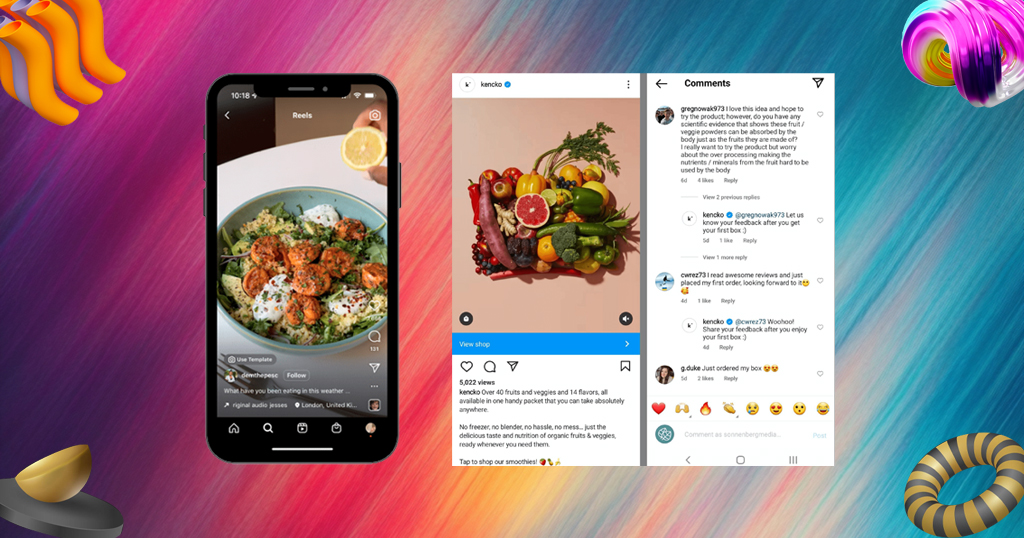
Post 3–4 Reels per week consistently for 60 days. The accounts that grow aren’t necessarily the ones with the best content — they’re the ones that post consistently enough for the algorithm to start distributing them widely.
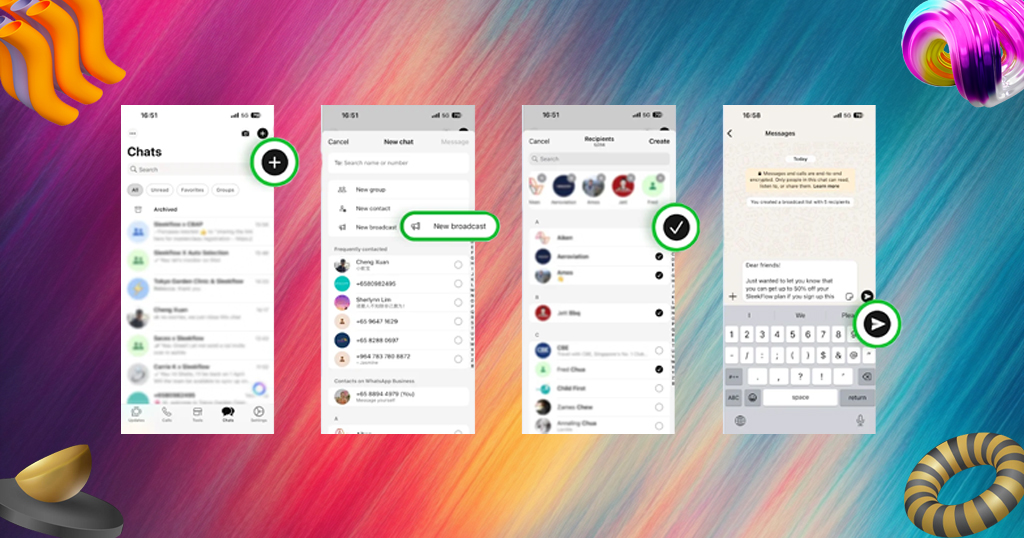
5. Build a WhatsApp Broadcast List for Repeat Business
One-time visitors become regulars when there’s a reason to come back. WhatsApp broadcasts — sent to customers who’ve opted in to hear from you — are the most direct, highest open-rate channel for that.
A weekly or fortnightly broadcast with a specific reason to visit (weekend special, new menu item, festive offer, flash discount) consistently brings back customers who would otherwise have forgotten about you.
Build your list through: a “Save our number for exclusive updates” prompt at checkout, a follow-up message asking them to save your contact, and a clear opt-in invitation on your receipt or table card.
Our full WhatsApp marketing guide for small business covers the complete setup — profile, catalogue, broadcast lists, automated messages, and frequency rules.
6. Work With Local Food Micro-Influencers
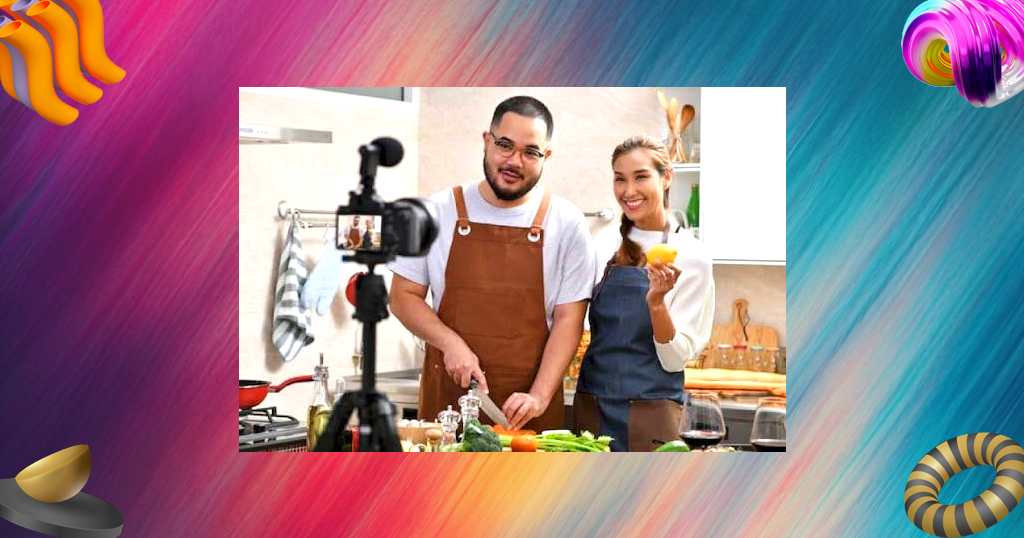
Forget celebrity food bloggers charging ₹2–5 lakh per post. Micro-influencers with 5,000–50,000 followers in your city drive more footfall per rupee spent — their audience trusts them because they actually eat at local restaurants.
A typical micro-influencer collaboration costs ₹2,000–5,000 plus a meal for two. Three collaborations per month at ₹15,000 total can bring a measurable wave of new first-time visitors at a cost per acquisition far below any paid ad channel.
How to find them: search your city name plus “food blogger” on Instagram, check who is already tagging local restaurants in your area, and look for accounts with high engagement (comments and saves, not just likes) relative to their follower count.
7. Run Festival and Occasion-Based Promotions
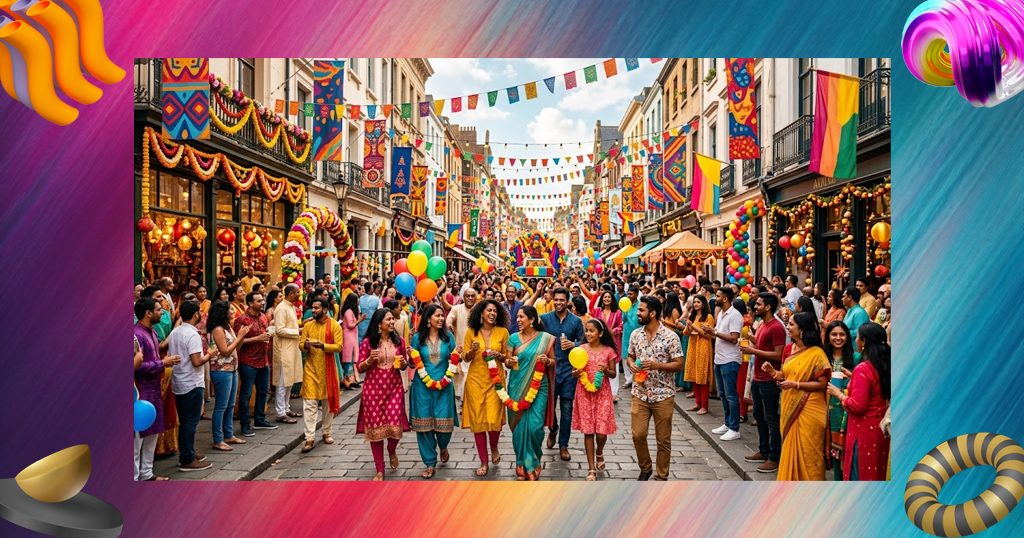
India has more festival occasions per year than any other market — Diwali, Pongal, Eid, Navratri, Christmas, Holi, Onam, Ganesh Chaturthi, and dozens more depending on your region. Each one is a legitimate, high-engagement reason to create a special offer, a themed menu, or a social media moment.
Plan your promotional calendar around 4–6 major festivals per year that are relevant to your local customer base. A “Diwali thali special” or “Eid biryani feast” with limited availability creates urgency and gives your social media and WhatsApp broadcasts a natural, timely reason to reach out.
8. Add Your Restaurant to Google Maps Properly
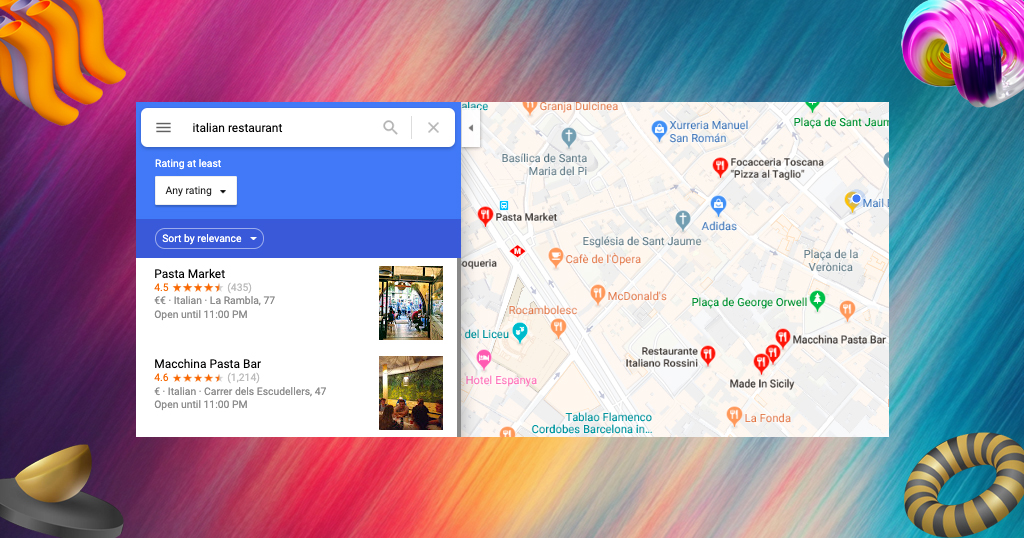
Many restaurants miss walk-in customers simply because their pin is in the wrong location on Google Maps, or their listing hasn’t been claimed. Customers navigating from Maps who arrive at the wrong address leave a one-star review about the navigation — not about your food.
Verify your pin location is accurate, your address is complete (with landmark if applicable in your area), and your listing includes parking availability if relevant. See our full how to add your business to Google guide for the complete setup.
9. Create a Simple Loyalty Programme
Getting a new customer costs 5–7x more than retaining an existing one. A simple loyalty programme — even one tracked manually — gives customers a tangible reason to return.
What works for Indian restaurants without a mobile app:
- Stamp cards — “Every 5th meal free” tracked at the billing counter
- WhatsApp loyalty — track orders manually and message customers when they’re close to a reward
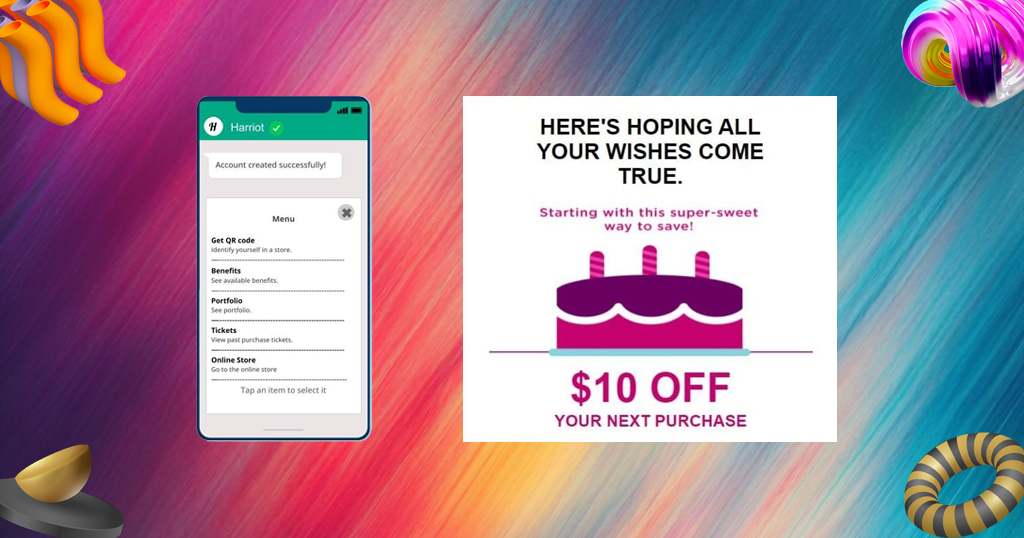
- Birthday and anniversary offers — collect dates at first visit and send a personalised WhatsApp message with a free item or discount on the occasion
Keep it simple. A points app that requires download, registration, and a minimum spend threshold loses most customers before they ever redeem a reward.
10. Post Consistently on Facebook for the 35+ Audience
While Instagram dominates for younger diners, Facebook remains the primary social platform for customers aged 35 and above across India — a demographic with higher disposable income and more predictable dining-out behaviour. Local Facebook groups for your neighbourhood or city are also powerful free discovery channels.
Post your daily specials, weekend offers, and photo content on Facebook consistently. Join local community groups (with the group admin’s permission) and participate genuinely before promoting your restaurant. A recommendation in a local group from an actual community member carries more weight than any ad.
11. Manage Your Online Reputation Actively
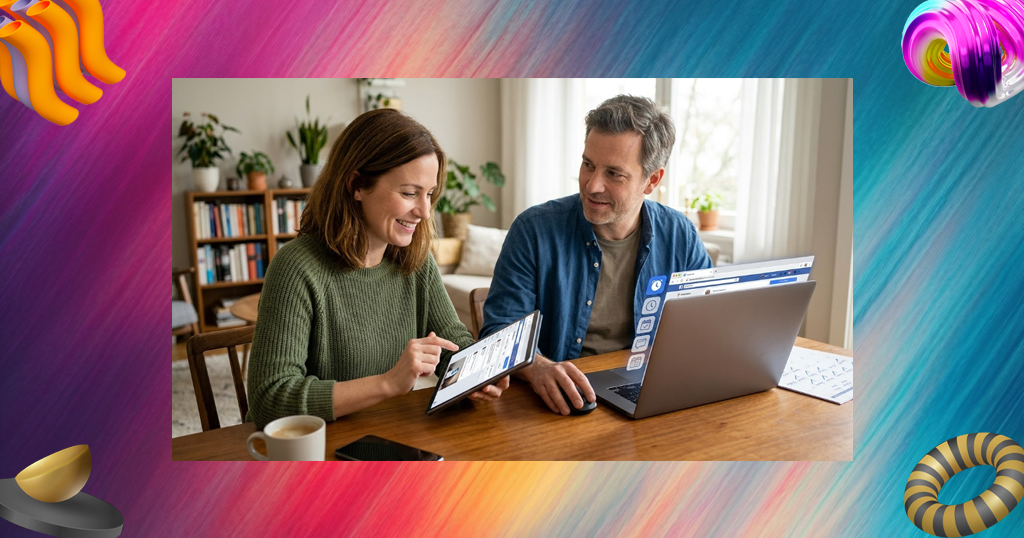
Your online reputation is the sum of what customers find when they search your name — Google reviews, Zomato ratings, Facebook recommendations, and anything else that appears on the first page. It directly determines whether a new customer visits you or goes to a competitor.
The key habits of restaurants with strong reputations:
- Respond to every review on every platform within 48 hours
- Monitor for new reviews daily — set up Google Alerts for your restaurant name
- Address negative reviews calmly and specifically, never defensively
- Actively generate new reviews to dilute the impact of any negatives
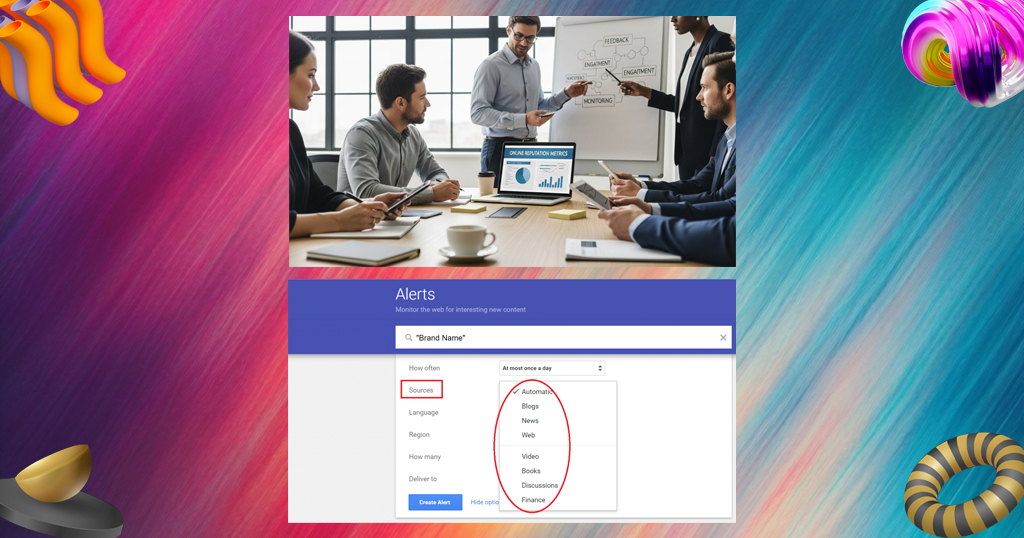
Our complete online reputation management guide for small business covers the full system — monitoring, response strategy, review generation, and reputation crisis handling.
12. Use Short-Form Video on YouTube Shorts
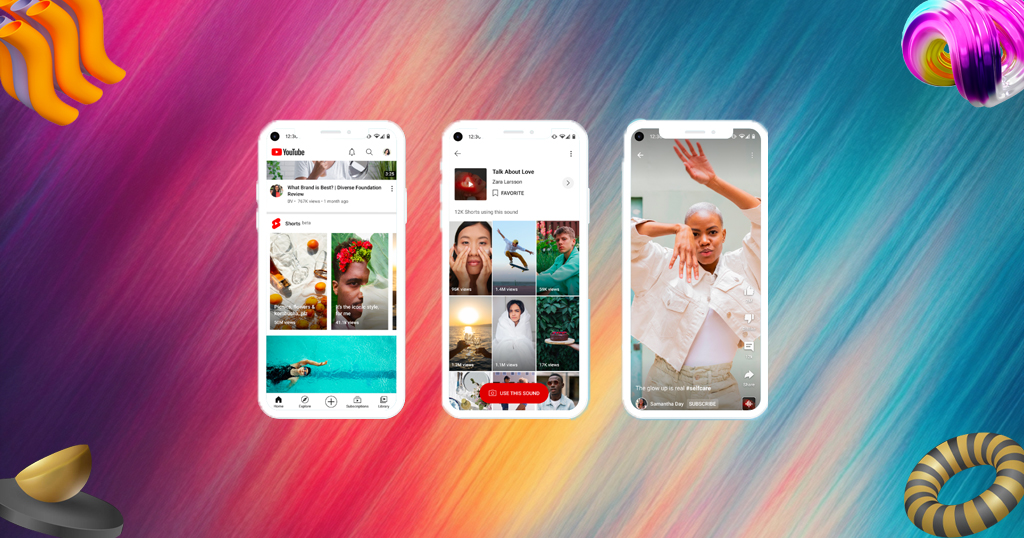
YouTube Shorts are India’s fastest-growing short-form video platform — and unlike Instagram, YouTube’s search functionality means your Shorts can be discovered months after posting by people specifically searching for your cuisine or location.
A “restaurant in [your city]” YouTube search already shows Shorts in results. A 30-second Reel repurposed as a Short costs you nothing extra and gives your content a second life on a platform with enormous organic reach in India’s Tier 2 and Tier 3 cities.
13. Run Targeted Local Ads on a Small Budget
Once your organic presence is stable, a small paid advertising budget — even ₹200–500 per day — can significantly amplify your reach with highly targeted local campaigns.
The most cost-effective paid channels for Indian restaurants:
- Google Local Ads (formerly Local Services Ads) — appear at the very top of “restaurants near me” results, above organic listings and even above regular Google Ads
- Instagram and Facebook ads with a 3–5 km radius targeting around your location — extremely cost-effective for reach campaigns during festival seasons or new menu launches
- Zomato and Swiggy ads — paid placement in the app puts you at the top of the category for customers already ready to order
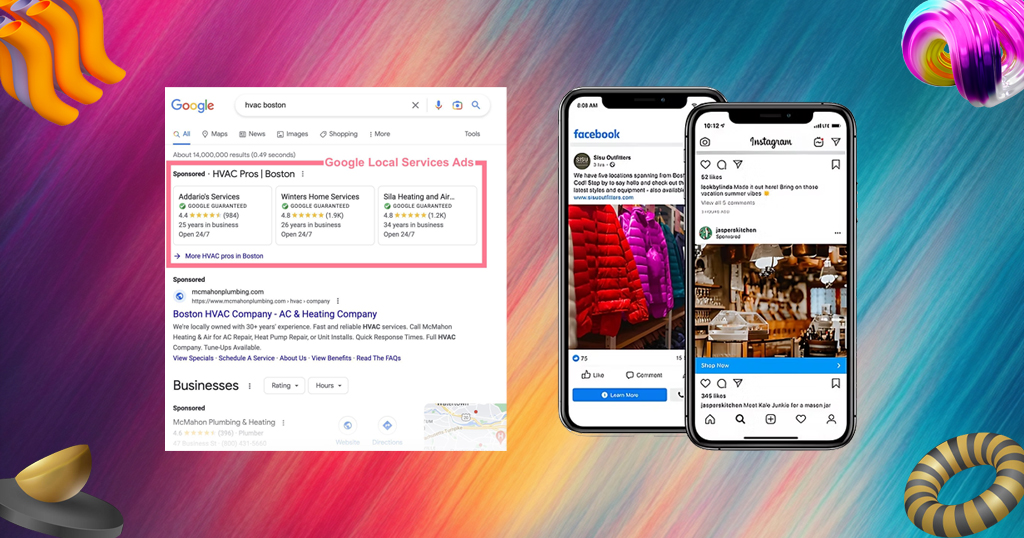
Start with Google Local Ads if you’re in a competitive category — the intent from “near me” searches is the highest of any advertising channel.
14. Collect and Showcase User-Generated Content
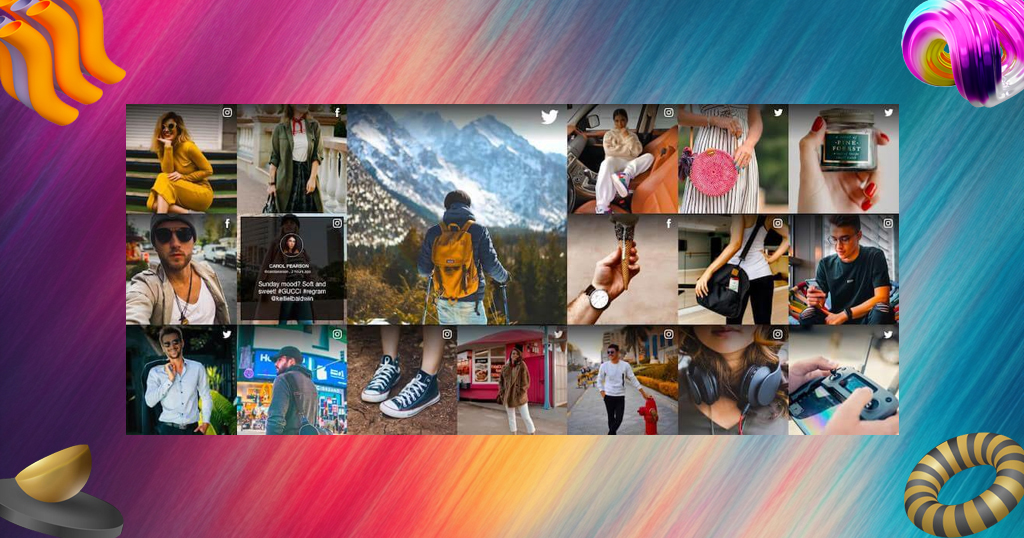
When customers photograph your food and share it on Instagram or Facebook, that’s free marketing reaching their entire follower network — an audience that trusts their recommendation far more than any ad. Encourage it actively:
- Create a photo-worthy element — a branded wall, a dramatic plating presentation, a fire-table moment — that customers naturally want to photograph and share
- Display a “Tag us @[yourhandle]” prompt on your table cards and receipts
- Reshare customer photos on your own social channels (always credit the original poster)
- Feature your best customer photos in your Google Business Profile or WhatsApp broadcasts
15. Respond to Every Review on Every Platform
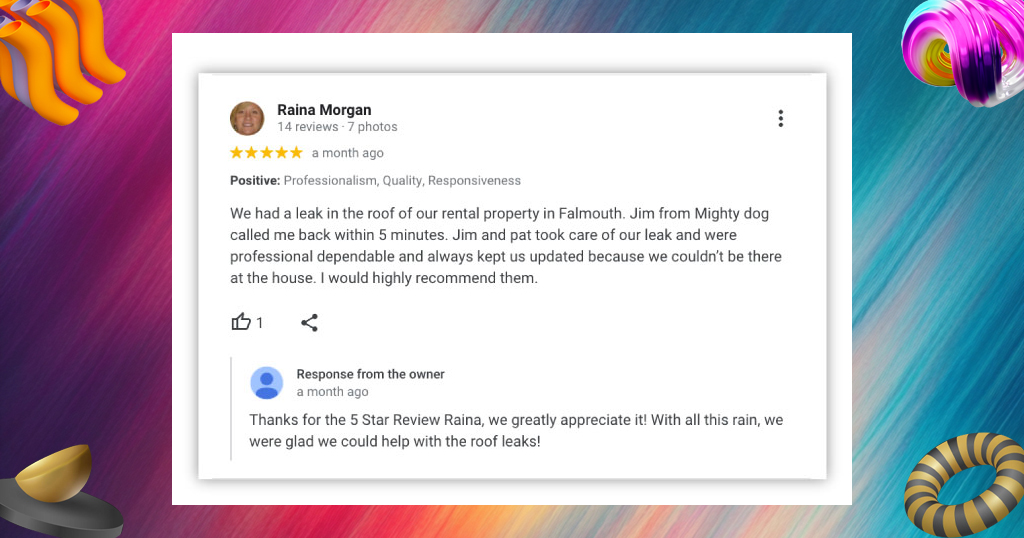
This is both a marketing action and a reputation management essential. A restaurant whose owner personally responds to reviews — thanking regulars, addressing complaints, engaging with specific feedback — builds a visible character that converts potential customers who read your profile before visiting.
Set aside 15 minutes each morning to check and respond to new reviews on Google, Zomato, Swiggy, and Facebook. Use our Google review response templates for ready-to-use reply wording across every situation.
16. List on Justdial and Keep It Updated
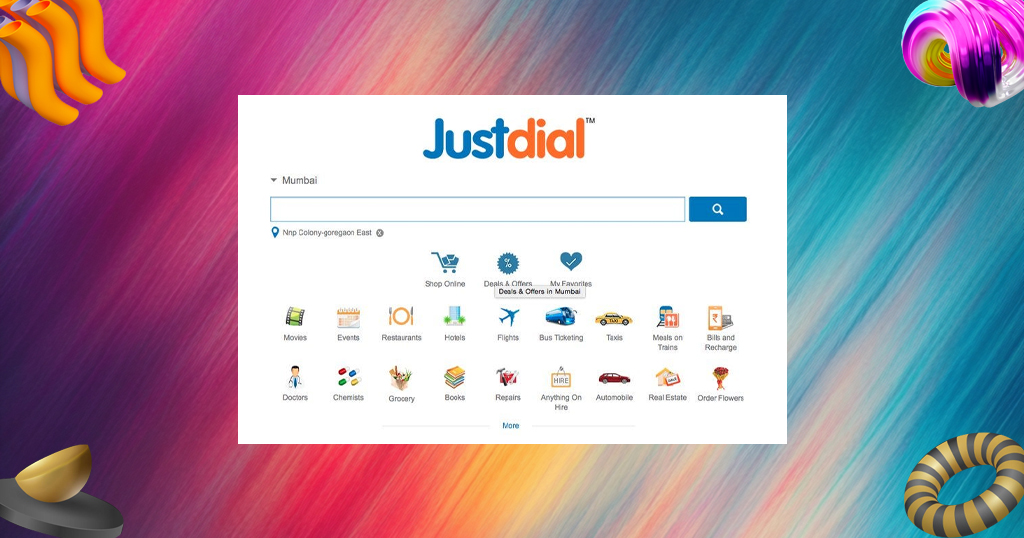
Justdial remains a primary discovery platform for Indian customers, especially in Tier 2 and Tier 3 cities and for older demographics who use it over Google. A complete, up-to-date Justdial listing with accurate hours, phone number, and category is a free traffic source most restaurants ignore after initial setup.
Check it quarterly — update hours for any changes and respond to reviews. Justdial listings that look active and current consistently outperform those that were set up and forgotten.
17. Build a Simple Restaurant Website With an Online Menu
A website doesn’t need to be expensive. A simple 3–4 page site with your menu, contact details, location map, and a gallery of food photos serves two critical functions:
- Google ranking — a website gives Google more signals about your restaurant, improving your local search visibility beyond just your GBP listing
- Customer confidence — customers who find your GBP listing often look for a website before deciding to visit; a missing website creates doubt
Add your location and cuisine keywords naturally throughout the site (“authentic Rajasthani restaurant in Jodhpur”), embed your Google Map on the contact page, and link to your GBP review page. This alone can improve your local ranking meaningfully within 2–3 months.
18. Train Your Staff as Brand Ambassadors
Your front-of-house team interacts with every customer. A well-trained team that knows how to ask for a review, handle a complaint before it becomes a negative post, and describe the menu in a way that upsells naturally is your most powerful — and most underused — marketing asset.
Brief your team weekly on:
- This week’s special and how to describe it compellingly
- How to ask for a Google review at the right moment
- How to handle a customer complaint before they leave unhappy

A customer who was about to leave a 2-star review because of a problem — but whose complaint was handled immediately and warmly by a staff member — often becomes a 5-star review instead.
19. Create a Google Posts Calendar
Google Posts appear directly on your Business Profile in search results and on Maps — one of the most underused free marketing tools available to restaurants. A weekly post (offer, event, new dish, behind-the-scenes) keeps your profile looking active and gives customers a reason to engage with it beyond just checking your hours.
Ideas for weekly Google Posts:
- Weekend special with a photo
- New menu item announcement
- Festival season limited offer
- Customer review spotlight (screenshot of a great review with their permission)
- Behind-the-scenes kitchen moment
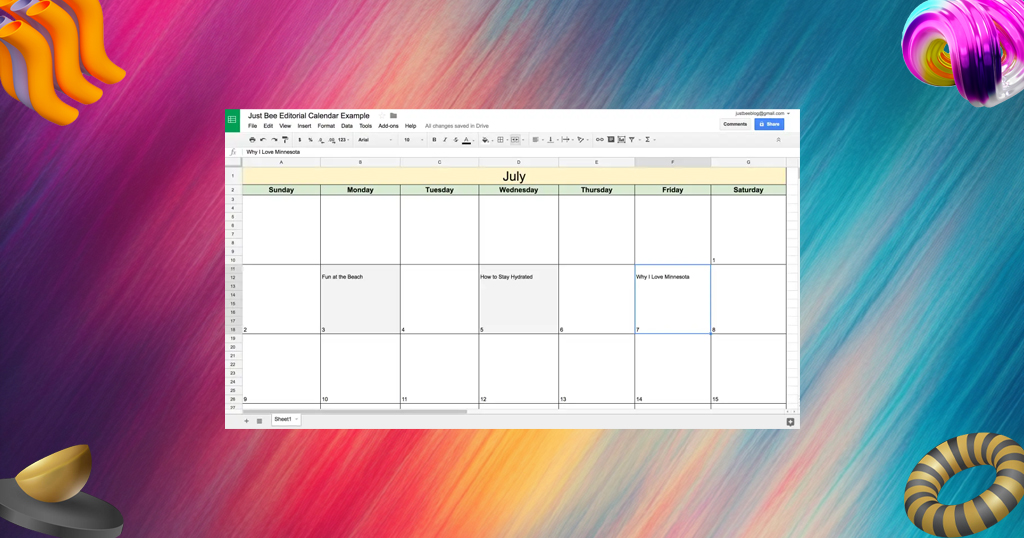
Pair your Google Posts calendar with your Instagram content so the same piece of content is repurposed across both — doubling reach with no extra effort.
20. Monitor Competitors and Fill Their Gaps
The restaurants ranking above you on Google Maps and Zomato are your most useful marketing intelligence. Check their profiles monthly:
- What categories are they in that you’re not?
- What keywords appear in their reviews that don’t appear in yours?
- What hours are they not covering that you could own? (Late-night, early breakfast, Sunday lunch)
- What complaints keep appearing in their reviews that you could solve and promote?

A competitor whose customers consistently complain about slow service is an opportunity — “quick service guaranteed or your next meal is on us” is a direct response to that gap.
The Bottom Line
The restaurants growing fastest in India in 2026 are not necessarily the ones spending the most on marketing. They’re the ones showing up every day on the platforms where their customers are already looking — Google, Instagram, WhatsApp, Zomato — and doing the basics consistently better than their competitors.
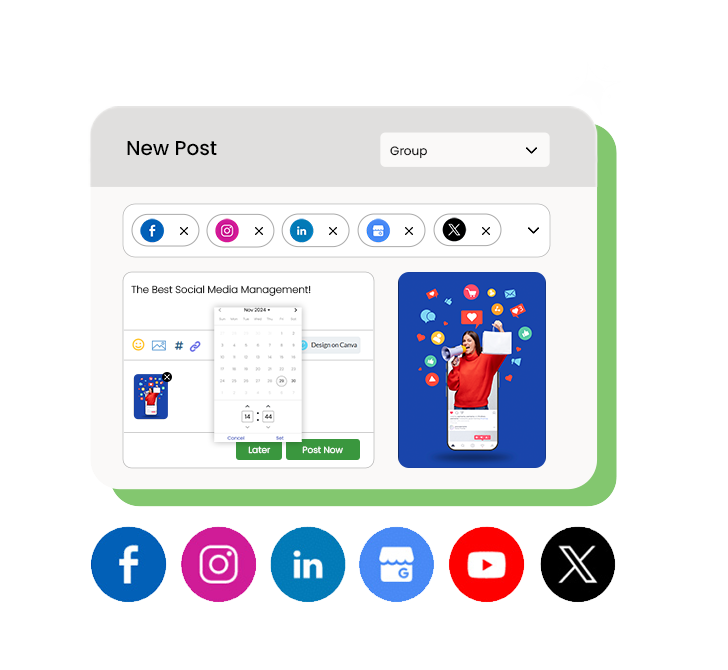
Start with Google Business Profile, Instagram, and WhatsApp. Get your Zomato and Swiggy listings in shape. Build a review generation habit. Add the remaining ideas one by one as your capacity allows.
Storefries makes the ongoing management across all of these platforms more manageable — from review monitoring and response and Google Business Profile management to social media scheduling and local SEO tracking, all from one dashboard built for restaurants and local businesses. Explore our restaurant marketing tools or browse more guides on the Storefries blog.


Leave A Comment